


Are You Attractive? AI Scanner
4.14.00 Reviews
App Specs
- Version
- 2.5.6
- Updated On
- License
- Free
- Downloads
- 100,000+
- Developer
- Molly Digital
- Categories
- Beauty
- Platform
- Android
Screenshots
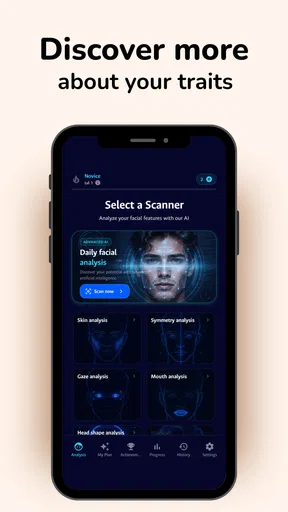
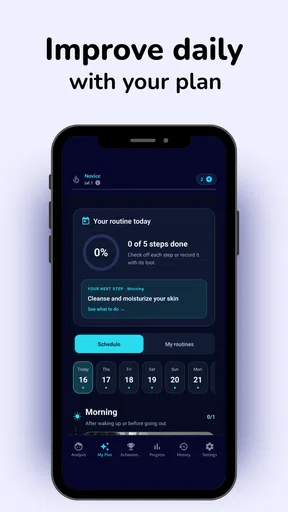
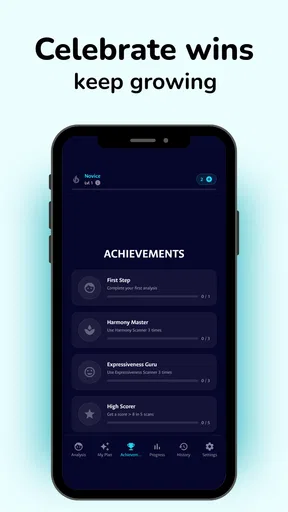
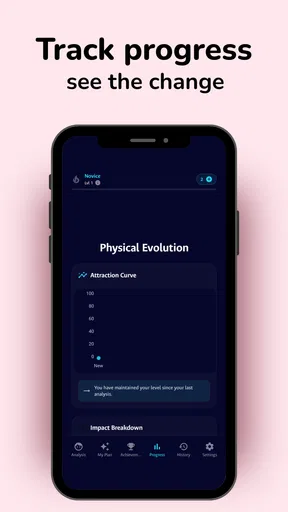
 Analysis by AppCompare
If you've ever caught yourself wondering, "How attractive am I really?" then the Are You Attractive? AI Scanner app might just be your new obsession. It's like having a little confidence booster (or crusher) right in your pocket, ready to give you some AI-driven insights into your looks. Let's dive into what this app is all about and whether it's worth a download.
What a quick scan can—and cannot—tell you
The appeal is easy to understand: a selfie feels familiar, and a fast AI response can turn a passing curiosity into a small experiment. I’d treat the result as a reaction to one image rather than a verdict on your appearance. A score can change with camera angle, expression, light, and framing, so it says more about that particular photo and the system’s interpretation than it does about how people see you in daily life.
That distinction matters if you are looking for reassurance. If a number would affect your mood or make you scrutinize your face, this is probably not the right tool for that moment. I’d skip it when you feel vulnerable, and use it only when you can enjoy the outcome without letting it set your standards. Its best use is light curiosity, not self-evaluation.
Getting to Know the App
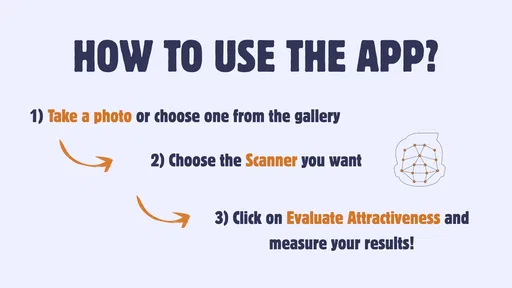
So, here's the gist: the Are You Attractive? AI Scanner app uses artificial intelligence to analyze your selfies and rates your attractiveness on a scale. It's pretty straightforward. Snap a pic, let the AI do its thing, and voilà! You get a score. The app promises an unbiased opinion, which is more than we can say about our friends who are just too nice to tell us the truth.
It is a free beauty app from Molly Digital, and its audience is broad: the age rating is Everyone. The app has a 4.0 average from around 1,200 ratings, with more than 50,000 installs. Those figures suggest that plenty of people are curious enough to try it, but they do not turn an AI score into an objective measure. I’d approach it as a playful selfie tool, not as a beauty authority.
How Does It Work?
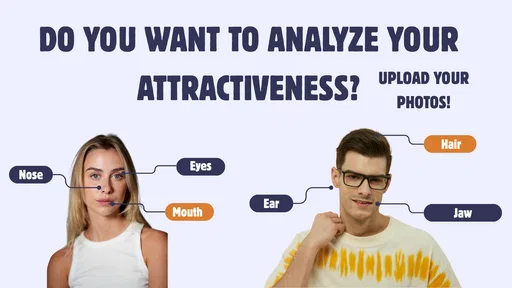
The app's magic lies in its algorithm. It compares your photo to a database filled with a gazillion other images, taking into account factors like facial symmetry, skin tone, and even that killer smile of yours. All this is done in a matter of seconds. It's like having a super-fast beauty pageant judge in your phone. The app also provides feedback, highlighting areas where you might shine or need a bit of work. But remember, beauty is in the eye of the beholder—or in this case, the AI.
Making a fair comparison between selfies
If you want to see whether a change in presentation affects the result, keep the test controlled. Take two photos in the same spot, with similar lighting and the same camera distance, changing only one thing—perhaps your expression or whether your hair is pulled back. If you change the lighting, angle, background, and makeup all at once, you will not know what influenced the result. This simple approach makes the activity more interesting without pretending the score is a scientific comparison.
Worth Reading Before You Choose

EA SPORTS FC Mobile 26 Is a Bigger Football Game, but It Takes Time

Flipboard Shows What News Apps Must Do Beyond the Feed

Switching to Android Auto Means Rethinking Your Driving Routine

Google Calendar Makes a Crowded Week Easier to Manage

Ludo King Makes the Most of the Minutes Between Plans

Baby Panda World Brings Quick Play to Modern Phones, but Its Game Library Feels Busy
I would also avoid treating repeated scans as a way to chase a preferred number. The most useful question is not “How high can I get the score?” but “Does this photo look like the way I want to present myself?” For a profile picture, that can mean checking whether your expression feels warm and your face is easy to see. A friend’s opinion or your own comfort with the image is often more useful than another scan.
User Experience
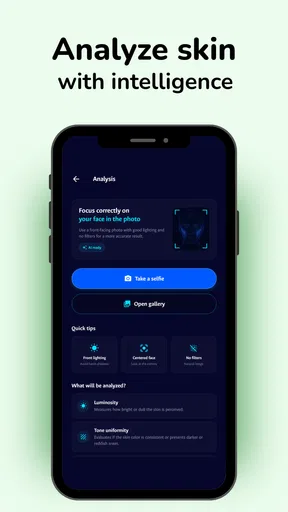
Once you open the app, you're greeted with a sleek, user-friendly interface that makes navigation a breeze. The design is minimalistic, focusing all attention on what matters: your gorgeous selfies. Uploading a photo is as simple as it gets. You can either snap a new one or choose from your gallery. Just make sure you avoid filters or exaggerated lighting; the AI prefers an au naturel look.
For a realistic everyday use, imagine choosing a new profile photo before heading out. You could select a clear, recent selfie from your gallery, use the scan as a bit of entertainment, then decide based on whether the image actually feels like you. That workflow is more sensible than taking dozens of pictures to satisfy a score. It also keeps the app in its proper lane: a quick curiosity, rather than a replacement for good judgment about how you want to be seen.
Speed expectations and heavier use
The experience is presented as a quick scan, which suits a short, one-photo check. I would not assume that a brief result means every photo will be handled identically: a dim room, a side angle, or a face partly covered by hair may give the system less to work with. If a result looks odd, try one clear, evenly lit image before drawing conclusions. That is a more useful response than repeatedly submitting near-identical shots.
During heavier use, such as comparing several portraits for a social profile, the main cost is likely to be your time and attention rather than a complicated workflow: choosing consistent images takes more care than tapping through one scan. I’d set a small limit for yourself—perhaps compare only a couple of purposeful options—so the exercise stays playful and does not become a search for a perfect score. The app’s quick-feedback idea works best when you have a specific question, not when you keep scanning without a decision in mind.
Reliability and the limits of an AI opinion
A reliable result should not be confused with a reliable judgment of beauty. Even if the app responds consistently to a particular image, attractiveness depends on personal taste, culture, context, and the qualities people notice when they meet you. A selfie strips away voice, movement, humor, and the small expressions that shape an in-person impression. I would therefore use the feedback as one narrow perspective, never as a reason to change something about yourself.
For practical decisions, such as choosing a photo for a professional profile, the usual alternatives are often stronger. A trusted person can tell you whether the image feels approachable and appropriate; comparing the crop on the actual profile can show whether your face remains visible at a small size. The scanner offers a different kind of feedback, but it cannot judge whether a picture suits a particular audience or communicates the impression you want.
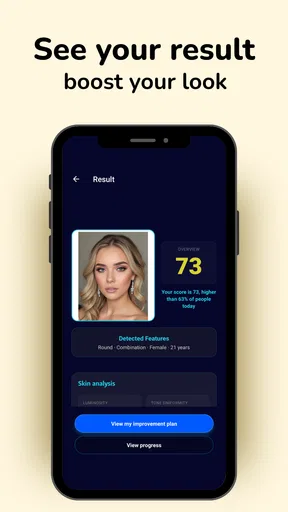
After your photo is analyzed, the app provides a detailed report. It's not just about the numbers. You get insights, tips, and even a little pep talk to boost your confidence. And let's be honest, who doesn't like a good pep talk?
Privacy Concerns
In the age of data privacy, it's natural to worry about where your photos might end up. The developers assure users that images are not stored on their servers. Everything happens locally on your device. So, you can breathe easy knowing your snaps won't be floating around the internet.
Even with that reassurance, I’d be selective about which pictures I use. A casual selfie is a better choice than an image containing other people, identifying details, or anything you would not want to use in a novelty app. It is also worth remembering that a photo can feel personal even when the experience is meant to be fun. Choosing an ordinary, non-sensitive image is a simple way to keep the activity comfortable.
Device fit and practical expectations
The current version is 2.3.4, and the stated minimum operating-system requirement is 7.0. That gives some older compatible devices a chance to run it, but compatibility alone does not tell you how smooth every scan will feel on every phone. A device with a responsive camera and a clear screen makes it easier to choose a well-framed selfie; if your phone is older or already struggles with apps, keep expectations modest and try one image before spending time on a batch of comparisons.
I would not choose this app if what you really need is a photo editor, skincare guidance, or a serious consultation about your appearance. A beauty scanner is not a substitute for those tools, and its playful rating is not tailored advice. It makes more sense for someone who is curious about how an AI reacts to a selfie and is comfortable treating the response as entertainment. If you want actionable feedback on a headshot, ask someone who understands the setting and audience instead.
Fun or Faux Pas?
Here's the thing: while the Are You Attractive? AI Scanner app is fun, it's important not to take it too seriously. It's a quirky little tool meant for entertainment, not a definitive measure of your worth. After all, attractiveness is subjective. What one algorithm finds appealing, another might not. Plus, we've all seen those AI fails, right? So, take your score with a grain of salt and maybe a cheeky smile.
Final Thoughts
All in all, the app is a fun way to pass the time and maybe even boost your self-esteem. It's easy to use, has a sleek design, and provides a unique take on the age-old question of attractiveness. Whether you're curious about your AI rating or just looking for a good laugh, this app is worth a shot. Just remember to keep it light-hearted and enjoy the process.
So, are you ready to see what the AI thinks of your selfie game? Go ahead, give it a try, and remember, you're beautiful just the way you are.
Pros
- Easy-to-use interface for quick scanning.
- Provides detailed feedback on attractiveness.
- Fun and engaging for social sharing.
- AI-based analysis offers unique insights.
- Regular updates improve accuracy.
Cons
- Requires internet connection for processing.
- Limited free features; in-app purchases needed.
- May not appeal to all user demographics.
- AI results can vary in accuracy.
- Privacy concerns with photo uploads.
FAQs for Are You Attractive? AI Scanner
What is the primary function of the Are You Attractive? AI Scanner app?
The Are You Attractive? AI Scanner app utilizes artificial intelligence to analyze and evaluate facial features, symmetry, and other attributes to provide users with an attractiveness score. This app is designed for entertainment purposes and should not be used as a definitive measure of beauty or self-worth.
Is my personal data secure when using the Are You Attractive? AI Scanner?
Yes, the Are You Attractive? AI Scanner app prioritizes user privacy and data security. Images and personal data processed by the app are not stored on their servers. The app complies with GDPR and other privacy regulations to ensure that your data remains confidential and secure.
How accurate is the attractiveness score provided by the app?
The attractiveness score provided by the Are You Attractive? AI Scanner is based on AI algorithms that analyze common facial features associated with beauty standards. However, beauty is subjective, and the scores should be taken with a grain of salt. The app is meant for fun and should not replace personal confidence or self-esteem.
Can the app analyze group photos or only individual selfies?
The Are You Attractive? AI Scanner is optimized for analyzing individual selfies to ensure accurate scoring. Group photos can lead to inaccurate results due to multiple faces being present. For best results, users should upload clear, well-lit individual selfies without obstructions.
Is the Are You Attractive? AI Scanner app free to use?
The app offers a basic version that is free to download and use, providing limited features. For enhanced functionalities, such as detailed analysis and additional feedback, users can opt for in-app purchases or a subscription plan. This allows users to access premium features and an ad-free experience.


